101 Tips & Resources for the Upside-Down Homeowner

Are you upside down in your home ownership? If you are, then you know that you can’t borrow from your home equity for emergencies because you don’t have equity to borrow against. You may not be able sell your home unless you come up with the money to cover the shortfall between your home’s value and your loan. In this case, either your house has lost value, or the loan balance has risen, or both.

Sitting upside down with a home ownership is stressful, but there are plenty of tips and remedies for this situation. No matter if you decide to sell, walk away or sit it out, the following list contains ideas that may help you financially and emotionally as you go through this trying time.

The list below is in no particular order. While the sites are numbered, the numbering does not indicate that we favor one site over another or that they are listed in order of value.

Get Ready to Sell

Unless you’re ready to ride out a volatile housing market, then you’re ready to sell your home. In this case, preparation for selling a home is similar to any other home sale, but the tips below are provided with empty pockets in mind.

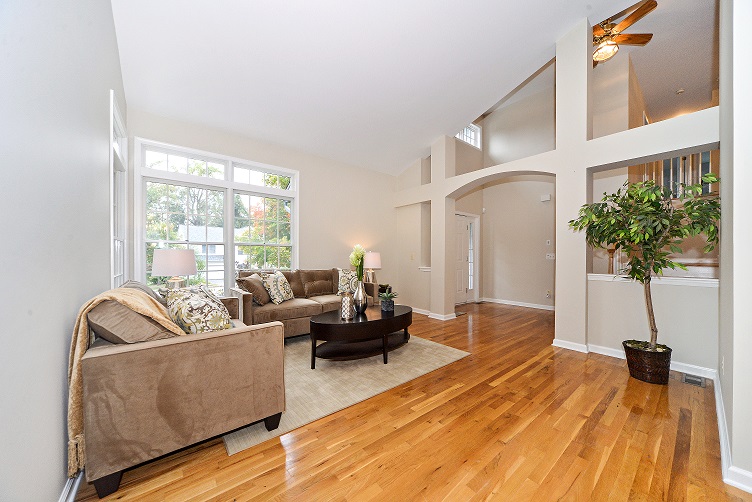
  1. Limit emotional involvement: This house may have seen births, deaths, marriages and more. But, now it’s a product that must be sold. If you can’t step away from emotional perspectives, bring in a friend who can provide an unbiased perspective about what needs to be done to this “product” to make it more attractive to buyers.
  2. Curb appeal: Potential buyers won’t take a house seriously unless its exterior is enticing. Sometimes a little elbow grease is all that’s needed to polish up that front door, to clean the windows and gutters and to mow the lawn.
  3. Small stuff counts outside: New house numbers or potted plants go a long way to create an inexpensive and attractive facade. You might even borrow the potted plants.
  4. Small stuff counts inside: No need to replace expensive items. You might be amazed at how quickly a kitchen can change simply by replacing doorknobs on cabinets or by painting those cabinets.
  5. Less can be more: Sometimes the elimination of shrubs, plants, and the addition of mulch can open up a yard and make it more appealing. Once again, this effort just takes a work on your part.
  6. Remove furniture: Sell it, give it away or store it. Home buyers often like to envision their furniture in a new home without the obstacles of your living arrangements.
  7. Paint the interior smartly: If you’re painting for resale, many parents will appreciate an easy clean-up paint with a satin finish. This paint also does well if you plan to rent the house instead of selling. See if you can find what interior decorator Jeanette Fisher calls oops! paint, or paint that has been rejected by potential buyers to save a few dollars on this renovation.
  8. Hold a yard sale: If your neighborhood is conducive to yard sales, use this opportunity to clear out the house, make money, and to tell people the home is for sale.
  9. Use consignment shops: Or, thrift shops or second-hand to sell items you don’t need.
  10. Go secondhand: Nothing can beat a dishwasher, stove, sink, pot rack, pantry door, and four cabinet units used for $435. Just ask Frugal Babe about that deal.
  11. Spruce up the siding [PDF]: Siding replacement hangs in right up there with kitchen and bath remodeling for home sale ROI (return on investment). If all you need is new siding to make your home stand out for sale, then go for it. Otherwise, just spend the money on a power wash to make that home seem like new.
  12. Don’t overspend: Don’t run up those credit cards to overspend on a home to make it the best in the neighborhood. Buyers will not overspend on you, so why should you overspend on them?
  13. Be frugal: You can have every thing you need to fix up that home for sale if you’re frugal. If frugality is a new lifestyle for you, check out frugal Web sites such as this one to learn how to ready your home for sale for mere pennies.

FSBO in a Down Market

The ability to sell your home without the expertise of a Realtor is the goal for many homeowners. Here are a few tips for the FSBO (fizber) homeowner that can help to sell that home in a down market.

  1. Learn how to sell your home: Even if you end up with a real estate agent in the end, learning how the home sale process works can only help you understand the process and save money in the long run.
  2. You might not have a choice: If you’re upside-down in your home and you need to sell, you may need to forgo a real estate agent. No equity means no 5-7 percent commission for a broker.
  3. Build commission into sale price: Money that would otherwise be paid to a real estate agent can be built into the asking price, offering the home seller greater flexibility for bidding. In many markets, this can mean the difference between a property sitting on a market and being sold.
  4. Be prepared legally: You’ll need appropriate paperwork for FSBO transactions. Either consult a real estate attorney or look through FSBO sites on the Internet to learn what you need and why you need it. Realize that many forms are state specific.
  5. Go about FSBO safely: Often the real estate agent provides a buffer zone between seller and buyer. This article provides some great advice on how to sell your home safely on your own.
  6. No foreclosures in neighborhood?: You might want to tout the fact that there are no foreclosures in your neighborhood. People want to avoid “suburban slums,” the moniker that now tags many foreclosure neighborhoods.
  7. Learn about MLS: The MLS (Multiple Listing Service) is the primary data system that most real estate agents use to market and sell property. 75% of all properties sold across the nation are sold through the MLS. The two tips below show how you can gain access to this powerful selling tool.
  8. Join FSBO Web sites: Sites such as this one and others linked here can help you gain a footing in your home sale, especially for Multiple Listing Service (MLS), tips, and FSBO education.
  9. Go MLS all the way: You can bypass joining FSBO sites and on-site advertising fees by going straight MLS. This service still costs, but you can avoid paying a listing commission in many cases. The site linked here provides just one example of how you can go about this process, and this site provides yet another alternative. Weigh all options before spending money, and read all material to familiarize yourself with the process.
  10. Research your options: Use the Web 2.0 real estate sites listed here to discover your home’s approximate worth and other scenarios before you make a move. You may discover options that will help you sell your home faster and with less cost.

Dealing with Realtors

Sure, you may have dealt with a Realtor or two when you purchased your home, but times may not have been what they are now. A rough market can change attitudes and your risks.

  1. Learn about the ins and outs: Although this Wired article is dated 2005, the information contained in its perspective is just as relevant in 2008. In a down market, you can assure yourself that agents will want to push harder and faster to get your house sold so they can make that commission. While this may be what you want, a little less ‘fear factor’ could help you realize patience and more money down the road.
  2. Cut paperwork expense: Even if you decide to use a real estate agent to sell your home, you might find you can cut down on the paperwork fees by doing some legwork yourself. Learn more about what you can do to cut those costs online.
  3. Learn about buyer, seller, and duel agents: The duel agent may save you money (see directly below), and a seller - only agent will try to get you the best price. Either way, be sure to know who your agent really represents.
  4. Send potential buyers to your (duel) agent: As a buyer, the ability to use the seller’s agent may benefit all concerned, since the buyer eliminates one agent’s commission at no cost to you. That’s a hefty incentive to buy your home.
  5. Beware discount brokers: Not that discount brokers are “bad” - it’s just that they may not share your incentive to sell your home.
  6. Consult a Realtor for a remodel: If you can stay put and improve your home for sale down the road, include a Realtor in your plans. Often, Realtors can provide great advice on what to remodel and how far to go for your neighborhood, saving you plenty of money in the long run (see “Weather It Out” and “Invest in Your Home” categories listed below).
  7. You don’t need a Realtor for auction: If you want to try to sell your home quickly, you don’t need a Realtor to put it up for auction. You have options as well, such as refusing a bid or setting a reserve.
  8. Maybe you need an agent: If you’re so stressed out that you can’t handle calls, set appointments to see your home or show your home. This blog entry, not written by a Realtor, can provide you with several reasons to use a Realtor.

Refinancing

A home loan refinance is a new loan obtained through your lender or a new lender to pay off existing loan. If you’re upside-down, however, your best recourse is to try to change the terms of your mortgage.

  1. Be a Vanilla Borrower: If see personal financial troubles looming on the horizon, but if you currently have good credit, good income, low debt, and strong assets, then refinance now if you need it. You’re what is known as a “vanilla borrower,” and you may have an easier time refinancing now than later.
  2. Refinance for a lower interest rate: Take advantage of lower interest rates for refinancing, but only if it makes sense in the long run. The trick is to know how long you intend to stay in your home.
  3. Research your options: Refinancing involves many of the same steps as the original mortgage financing, along with expenses for an inspection and an appraisal. Crunch numbers to see if refinancing makes sense for you.
  4. Then again, banks are skittish: Mortgage rates are rising, despite federal cuts on interest rates. Rising mortgage rates tend to keep buyers away, and it makes it more difficult for homeowners to refinance.
  5. Forget the Cash Out refinancing option: If you’re upside-down in your home, this option isn’t available. Without appreciation and with debt on mortgage, you’ll see more debt instead of money in your pocket.
  6. Don’t call a national lending assocation: Outside some of the problems listed here at Consumer Affairs, these companies can assign your input to mortgage companies around the nation, and many of those companies will take that information and query your credit report to qualify you for business. This mass attack on your credit report translates to a lower rating for all the queries. Instead, look to your previous lender or find someone through a friend who has had similar experiences and leave your credit report alone.
  7. Another reasong to stay with your existing lender: If your credit rating has slipped, a previous good credit rating is known to this lender. They may be willing to cut some fees to help you refinance with them.
  8. Beware of other options: On the other hand, be leery of options that provide seeming relief, as they have negative as well as positive sides to each issue. In this case, a government-backed guarantee to lenders who are willing to refinance upside-down homeowners might be fraught with problems.
  9. The critical factor for refinancing is the appraisal: Learn how the appraisal can make or break a refinancing deal.
  10. Get a fixed rate mortgage: If you have an ARM (Adjustable Rate Mortgage), then you know you don’t want to go there again. Instead, refinance to go after a fixed rate mortgage, one that won’t change on you no matter how long you own your home.
  11. Trust your gut instincts: If, as this blogger says, you find no light in the eyes of your lender or any other person you deal with, perhaps you should wait before you make another financial decision.

Avoiding Foreclosure

Foreclosure is a black hole that keeps on draining you long after you’ve lost the house. No matter how bleak things may seem, there are many ways to avoid foreclosure and to save your credit rating:

  1. Don’t live beyond your means: A story at Dr. Housing Bubble shows how easily and quickly a well-off couple can face foreclosure, thanks to overspending - even on a $130,000 gross budget.
  2. Contact your lender immediately: Contact your lender before you hit the figurative brick wall. Your lender might have solutions for you that are specific to your state or region, and that lender would rather help you out than see you walk away.
  3. Don’t ignore correspondence: Although you might think it’s all bad news, your lender and others may be trying to help you. Open and respond to all correspondence.
  4. Learn about foreclosure laws: Foreclosure laws vary from state to state. This is your resource to learn more about your local laws.
  5. Know your rights: You have rights as a homeowner. Read your mortgage and seek counseling. These rights vary state by state and new legislation may alter what you know already.
  6. Seek independent counseling: The U.S. Department of Housing and Urban Development (HUD) keeps a state-by-state list of certified housing counselors on its Web site.
  7. Learn about mortgage fraud: Although it may be a bit late to learn if you’ve been duped, you may have recourse or assistance available to you. Look through blogs or news services like this one to learn more about mortgage fraud and cases in your area.
  8. Talk with a lawyer: Many lawyers will offer a free initial counsel to hear you out. These lawyers can help you make informed decisions, especially if you’ve been wronged in your mortgage setup.
  9. Try a short sale: A short sale is a process by which you can sell your home for less money than you owe on it. Although still not a common way to avoid foreclosure, the short sale can work if the mortgage company is willing and your buyer is committed. Just know that the short sale may result in a 1099 that shows the debt forgiveness (this would translate to taxable income for you).
  10. Learn about loss mitigation programs: Several programs exist that can help you forestall foreclosure. Some programs may require that you qualify with various standards, but the options do exist to help you keep your home and your credit rating.
  11. Avoid foreclosure rescue scams: Various scams, including equity skimming, phony counseling agencies and more are there to take your house and the rest of your money. Use government agencies, legitimate banks and other companies to learn what you can do to protect your assets.
  12. Learn about Hope Now: If your lender won’t talk to you because you’re upside down, read more about Hope Now to discover other options. This program was instituted by the Bush administration in 2007 to help homeowners avoid foreclosure.
  13. Don’t move: In order to qualify for assistance, homeowners often are required to be living in their home.
  14. It’s illegal in California: Do not let anyone charge you an upfront fee for foreclosure advice and assistance. Instead, seek counseling and talk with your lender.

Avoiding Bankruptcy

When you try to avoid foreclosure, you try to save your credit rating as well as your house. Avoiding bankruptcy is a different animal altogether…

  1. Don’t lose it all: If you don’t declare bankruptcy, then you can keep many things - like furniture, credit cards and more. If you decide to declare bankruptcy for debt relief and you own a home, other opportunities exist.
  2. Think rationally: Both bankruptcy and foreclosure stay on your record for years. However, it’s easier to rebuild your credit when you still have credit cards in hand.
  3. File Chapter 13: A debtor facing foreclosure can stop the foreclosure sale by filing Chapter 13, which is not bankruptcy, but a reorganization of debt.. The Chapter 13 plan permits the debtor to cure defaults on mortgage debts by repaying the arrears within a reasonable period of time.
  4. Beware Chapter 13: While Chapter 13 remains the only option to stop a foreclosure, you might want to know that there is a likelihood that your payoff balance will go up and that you may have limited recourse to challenge these charges if you file.
  5. Walk away: If you’re late on all your payments and if you have a non-recourse loan, then just walk away. You’ve already screwed your credit rating, and no one can “come after” you. Jim Cramer, for one, endorses this exit strategy.
  6. Before you walk away: If your property is worth less than the total amount you owe on your mortgage loan, your lender could seek a deficiency judgment. If that happens, you not only lose your home; you also would owe your lender an additional debt with the difference in what you owe and the amount the house sale price. But - this may happen only if you refinanced your home and your loan is a recourse loan (and from what we learned, this action is rarely if ever taken).
  7. Here, FICO! Credit scores are hurt much more by missing multiple payments - on credit cards, cars and so on - than by a single foreclosure.
  8. Use an attorney: Beware of companies that make walking away from your home look like it’s a walk in the park. Foreclosure is a difficult decision, and one that needs common sense and localized legal advice.
  9. Cash for Keys: Just like a home sale, you leave behind anything that’s attached to the house. But, if you feel like ripping out some plumbing on your way out the foreclosure door, try finding a local Cash for Keys program instead. Lenders and banks now pay homeowners hundreds or even thousands of dollars to put their anger in escrow and leave quietly.

Rent Your Home (or a portion of it)

If you can rent all or part of your home and see a way out of your tight financial situation, then why not? The list below links to information about landlord responsibilities and tax implications as well as tips on how to handle renters.

  1. Rent your home: If you’re in a situation where you can find a cheap place to live (like moving in with a sibling or parents), then you might think about renting your home to make ends meet on those mortgage payments. Remember to charge enough to take care of any necessary repairs.
  2. Rent a portion of your home: If you have a basement (or an attic or garage apartment) with an outside entrance, you might want to share your home with a renter. Learn about what you might need to make that basement rental-friendly.
  3. Determine your capitalization rate: Is it worth it to rent or sell your home? Learn about your options through the Forbes capitalization calculator.
  4. Learn how to handle renters: Learn ten great tips on how to handle renters before you rent.
  5. Two years out of five: That’s the rule when it comes to the IRS determining whether you were a resident at your home. If you’ve lived there for two years, then you have three years to weather out the market by renting your home.
  6. Personal residence tax exclusions: During those three years you can still receive the full benefit of the personal residence tax exclusion on a sale — $250,000 for a single owner and $500,000 on a joint return.
  7. Military fares differently: The Military Family Tax Relief Act, signed into law on November 11, 2003, allows military member homeowners to suspend this five-year period for up to 10 years of extended duty overseas or at a domestic location that is more than 50 miles from the residence that’s being sold.
  8. Learn how to become a landlord: If you’re thinking about renting all or part of your home, you might want to study some implications to being a landlord.
  9. Landlords play by state rules: If you think you might want to rent your home, learn how to play by state rules. This link provides resources for Minnesota landlords, for example.
  10. Rental depreciation benefits: Even if the rent covers 100% of your out of pocket expenses, you may be able to take deductions. The loss will come from the depreciation on the rented portion of the house.
  11. Learn more about tax benefits: For taxpayers in general, rental losses are limited to $25,000 (filing as single or married filing jointly; it’s only $12,500 for married filing separately), regardless of the loss amount. But when your income is over $100,000, your deductible losses are reduced by $1 for every $2 of income. At $150,000, you are totally phased out of the rental loss deduction.
  12. Be an active participant: You are apt to lose the right to that $25,000 loss when you turn your home over to a property manager to rent, manage and maintain.
  13. Report your income: On the down side, rental income is considered just that - income. You must report this money on your tax return.

Weather it Out

If you still have a job and if you can make your mortgage payments, then why worry? Just keep an eye on the markets and your neighborhood to learn how the markets may affect you in the future…

  1. Patience is a virtue: If you can sit out this current economic free fall, then do so. Otherwise, you may be lowballing a home that could be worth much more in a better market economy. After all, if Bernanke’s hands are tied, perhaps your hands are tied as well…
  2. Don’t sweat the equity: As with a stock market portfolio, the value of your home will rise and fall with the markets. If you’re upside down now, that situation may change within months depending upon market movements. Sitting tight only means that you’re a long-term investor in your home and that you need to have faith in your choice.
  3. Your neighbors may hurt you: Another reason to sit out the down market is to determine if your neighbors are foreclosing. If so, the market value on your home may have plumeted and it may be difficult to sell - at least for now.
  4. Keep an eye on new legislation: Lawmakers want to help homeowners, as a bad housing market affects the entire country’s economy. Keep an eye on legislation such as this one in Michigan that can help you now or down the road.
  5. Watch the stock market: Some good companies are taking a beating thanks to the housing slump. If you have the means, do some research and find stocks that will increase along with your house property as the country climbs out of this financial fiasco.
  6. Pay on your principle: If you have extra cash, you might want to avoid a volatile stock market. Instead, pay more on your home’s principle to help bring your upside-down mortgage right-side up.
  7. Reduce credit card debt: If the interest rate on your credit cards is more than your mortgage rate, then pay off those cards. This is one step in bankruptcy avoidance. Learn more from blogs like Blogging Away Debt.
  8. Search for accurate pundits: While you’re twiddling your thumbs waiting for the housing slump to end, search for pundits (like Tamara J. Erickson) who predicted this situation over a year ago. Maybe these are the analysts you need to follow in the future…
  9. Recession-proof your career: Why lose your job when your mortgage is upside down? Not a good idea, right? Learn how to make your career recession-proof. Maybe that will take your mind off your lack of equity.
  10. 11 Recessions since WWII: It’s a cycle. If you can sit this one out, then position yourself for profit on the upswing.
  11. Four years? Maybe five? Some pundits put recovery somewhere around 2011. Can you hold onto your property that long? If so, maybe you’ll need to do a little renovating to get your house up to speed…

Invest In Your Home

Many investors believe that the best place to put investment dollars these days is into a home, because that’s where they’re gambling the most equity will accrue even with this mortgage crises. If you’re in a position to weather out this financial storm, then think about what will make your home worth more down the road. Here are some suggestions:

  1. Don’t expect refinancing for remodeling: You’ll need cash on hand or adequate credit for these projects, as it will be difficult to get a bank to offer refinancing for remodeling if you’re upside down in your home.
  2. Look at ROI: If you have the cash or credit to spruce up your home, consider your return on investment before you lift a finger. Some projects are well worth the time and money spent. Other projects may be a waste.
  3. Get a second opinion: Consider your region and even your neighborhood before you assess ROI. Plus, time makes a difference - don’t remodel a kitchen years before you sell it, otherwise it will appear dated.
  4. Look around the country: A bathroom remodel might not bring as much money in New England as it would in Texas. Learn more about what improvements are bringing in more ROI at Remodeling Online.
  5. Major kitchen remodeling isn’t necessary: Small fixes will do. But, if you plan on living in the home for four or five more years, perhaps that those green avacado appliances can go and you can enjoy the new appliances.
  6. Bathrooms high on list: Next to the kitchen, bathrooms can add value to your home and will rate high on ROI. Fix current bathrooms or add one for more equity in your home.
  7. Add a room: Sometimes you can add a room simply by adding a closet - that small effort may change the focus of the room and add value to your home.
  8. Add a bedroom in the attic: Even if the housing market isn’t up, your thoughts don’t need to stay in the basement. If you can add a bedroom in your attic, you’re likely to recoup 82.7 percent of the estimated $35,000 cost of installation.
  9. More isn’t better: Even if you don’t lift a finger for renovation (but you should for repairs), you’ll realize a profit later. Why? Because inflation will work its wily wonders, making your home more valuable down the road than it is today.
  10. Think twice before you go top-dollar: Although you may love that granite countertop, think about your neighbors. Do they have granite counter tops? No? Then, perhaps the laminate they use in their homes is just as good for yours.
  11. Do it yourself: You can save tons of money on remodeling projects if you take the time to do the work yourself. Save electric, plumbing, and major projects for the pros, however.
  12. Do it for yourself: If you’re feeling down about the down market, a remodeling project may be what you need to feel good about your home and yourself again.
1 Comment

Top 10 Ridiculous, Obnoxious, and Just Plain Ugly Celebrity Houses

What type of house would you live in or build if you were a celebrity? Would you build a home that depicts your hobbies, or would you build a place that is so “you” or so overpriced that you couldn’t sell it no matter how hot the market? With those questions in mind, we sought the ten top most ridiculous, obnoxious, and just plain ugly celebrity pads around. Of course, beauty is in the eye of the beholder, so what we think is tacky might seem gorgeous and practical to another beholder…The list below is in no particular order. While the sites are numbered, the numbering does not indicate that we favor one site over another or that they are listed in order of value.

  1. Britney's Malibu HomeBritney Spears: According to public records, Spears purchased the Malibu, California house through her Love Shack Trust in October 2004 for $6,300,000. The 7,400 square foot home boasts a pool, a spa, tennis court and gym, a maid’s quarters, seven bedrooms and six and a half bathrooms. Spears put the home on the market in January 2007 for $13.5 million, but the price dropped in March to $11.8 million. The house, which is located in the exclusive gated Serra Retreat area where such stars as Mel Gibson live, may have priced itself out of the market for the moment. Additionally, rumor has it that the gated estate was too overly-customized to Mr. and Mrs. Spears’ tastes. According to the linked source, “A bar in every room was too over-the-top for the average potential buyer in that price range - not to mention the lavish poolside bar built over which once was the tennis court.” This past March, papers were served to Britney and she was almost evicted because she hadn’t paid the rent. It appears that Britney’s financial team screwed up, but that all payments now are current.
  2. Travolta's Airport HomeJohn Travolta: No, this isn’t an airline terminal. It’s the home of John Travolta and family, built specifically to house his Gulfstream and Boeing 707B. The home is located immediately off a main airstrip in Ocala, Florida, and it’s designed so his jets can taxi right up to two outbuildings connected to the main structure that’s shaped like a truncated air-control tower. Although the property came equipped with a 7,500-foot runway, Travolta extended the taxiway to reach the house. Actress Kelly Preston, Travolta’s wife, can tell when John’s home, as the planes are visible from the living area inside the home. If that’s not enough airline for you, wait until you see the mural in the dining area that was culled from a 1937 Fortune magazine ad. Diners can pretend they’re eating in the lobby of a 1930s Paris airport.
  3. NeverlandMichael Jackson: Michael Jackson’s Neverland Ranch served as the pop singer’s private amusement park and home when the facility opened in 1988, but it’s no longer in operation. This ridiculous property, which lies over 2,800 acres, contains a zoo, a theme park with Ferris wheel, merr-go-round, zipper, spider, sea dragon, wave swinger, super slide, dragon wagon kiddie roller coaster, and bumper cars. Named for Neverland, the fantastical island in the story of Peter Pan where children never grow up, the ranch is located near Los Olivos, California. As of March, 2008, the property remains in foreclosure proceedings, with a possible auction slated unless Jackson clears his debt. The auction may be forestalled by a loan extension offered by his loan holder Fortress Investments, according to Fox News.
  4. Rennert EstateIra Rennert: Rennert, a publicity-shy billionaire founder of the Renco Group, is known more for his obnoxious New York Hamptons home than he is for anything else. This mansion is considered one of the largest occupied residential compounds in America, and - if put on the market - may be the valued as the most expensive home on earth. The home sits on 63 acres, and the buildings cover over 110,000 square feet including the 66,000 square foot main house. The main building contains a 91-foot long dining room, 29 bedrooms and 39 bathrooms. Fair Field, named after the adjoining Fairfield Pond, also contains a bowling alley, tennis and squash courts, and a $150,000 hot tub.
  5. Spelling MansionCandy Spelling: Producer Aaron Spelling tore down Bing Crosby’s old home to build this ridiculous 56,000-square-foot, 123-room Los Angeles, California estate. Unarguably the largest estate in California, this hotel-sized mansion sports a bowling alley and a single room devoted entirely to gift wrapping. While rumors ran rampant that Aaron’s widow, Candy, would sell the home in 2006 following Aaron’s death, Candy dispelled the rumors and continues to reside alone in the mansion. Candy Spelling is the mother of Tori and Randy Spelling, both actors. Candy and Tori have remained hot in celebrity mags, thanks to their feuds over Aaron’s inheritance, Tori’s portrayal of her mother in a VH1 sitcom, and other family feudal issues.
  6. Will and Jada Smith's castleWill Smith: This is Will and Jada Smith’s ridiculously obnoxious mansion, located in California. Their estate is described as a Calabasas castle, as it has its own lake, basketball court, tennis court and a pair of private par threes in the backyard. The estate took over seven years to build at $20 million. Smith stated, “The problem is that you build your dream home, but then you’re seven years older so it’s the house you used to want real bad!” By 2004, when they had seven months until they could move in, Smith added, “We’ve got about seven more months (before we move in). Everybody is excited because we went (to the house) and we let the kids come in and they picked out their rooms. Some of them are not gonna live there because they’re gonna have their own home by the time we actually move in!” The Smith family was forced to leave this home in 2005 when a bush fire threatened to destroy it and several other houses in the same area.
  7. Donald Trump EstateDonald Trump: Donald Trump’s Palm Beach, Florida mansion was primed for the real estate market in 2006, and this 80,000-square-foot estate was priced at $125 million well before the housing meltdown. This obnoxious mansion, which resembles a civic center, totals 62,000 square feet, with nine bedrooms, a ballroom, media room, art gallery, beauty salon, and a 4,100-square-foot conservatory. Additionally, the 6.5-acre property with 475 feet of ocean frontage includes two guest houses, a pool, and parking for 40 cars. Trump purchased the estate for $41.35 million in a 2004 Florida bankruptcy-court auction. Trump renovated Maison de l’Amitié during his tenure, and during the sale it was listed as the most expensive home on the market anywhere in the U.S.
  8. Aspen estateSaudi Prince Bandar bin Sultan bin Abdul Aziz: Shortly after His Royal Highness Prince Bandar bin Sultan bin Abdulaziz was appointed Secretary-General of the National Security Council by the Custodian of the Two Holy Mosques King Abdullah on October 16, 2005, he put his house in Aspen, Colorado up for sale. His reason for purchasing this home, which sits on 95 acres, includes his position as Ambassador of the Kingdom of Saudi Arabia to the United States of America from October 24, 1983 to September 8, 2005. However, it appears that His Highness rarely stayed at this U.S. palace. The main portion of the house, which is larger than the White House, includes 16 bathrooms, 15 bedrooms, stables, a tennis court, an indoor swimming pool, outdoor water features and a snowmelt driveway. The price? At the time, the asking price was $135 million, ten million more than what Trump asked for his Palm Beach estate. The Prince took the house off the market in November 2007 after a lack of offers.
  9. Michael VickMichael Vick: The former quarterback for the Atlanta Falcons is languishing in jail and no longer lives in this somewhat tacky Surrey County, Virginia home since he was convicted for dog fighting. The house includes 5 bedrooms, 5 bathrooms, a white brick exterior, hardwood floors, and a full basketball court in the backyard. Although the Surry County, Virginia Commissioner of the Revenue stated the dwelling itself is valued at $647,000, and the 15 acres of land upon which the home sits was valued at $100,000, it would be very spooky to live in a home where this celebrity buried dog carcasses. The home sits across the street from a Baptist Church and is surrounded by a large, white fence and was sold at auction in November 2007.
  10. Turkey HillMartha Stewart: Would you pay $8.9 million for this house? That’s what Martha Stewart wants for her Westport, Connecticut home called “Turkey Hill.” The Georgian style house sports nine bedrooms, three baths, several outbuildings and “the nicest garden in town.” However, we feel that - given Martha’s gift for creativity - this house really is a turkey. At least it has plenty of room to roam on 4.03 acres. But, that wallpaper effect on the stairwell needs to go (follow the link to view the images).
10 Comments

Top 10 Man-Made Island Paradises

Have you ever fantasized about building an island paradise? Although many people dream about creating an island, few can dredge up the money or materials to realize those inspirations except in the most unusual circumstances. But, within the past century, developers have created habitable islands where individuals can live in communities or where they can visit for entertainment and relaxation. Investors now can own a piece of man-made island paradise, all shaped from dreams and blueprints or expanded upon with reclamation efforts. Although much of the world’s attention has been drawn to the creative island-building efforts located in Dubai, such as The Palm, the list below includes man-made island paradises located in the U.S., Japan, Spain, and other areas as well as the mideast. Some islands were built specifically for tourists, while others were created only for homeowners. Some blend both community life with tourism to offer a wide variety of possibilities for all concerned. Some islands have been inhabitated for decades while others recently have invited investors to the table for projects that will be finalized within the next decade.

The list below is in no particular order. While the sites are numbered, the numbering does not indicate that we favor one site over another or that they are listed in order of value.

  1. The WorldThe World: One way to add land mass to a city is to add a series of world-class islands to that city’s coastline. Dubai developer, Nakheel, has added more than 1,500 km of beach front to the Dubai coastline with various island-building projects over the past decade. These islands include The Palm, The World and Dubai Waterfront, and they’re located off the Dubai city coastline, United Arab Emirates (UAE) in the eastern Arabian Peninsula. The World is the latest complete island paradise, with the last stone on the breakwater added on 10 January this year. Investors and developers can choose among 300 islands in the shape of the continents to create estate islands and residential and resort communities. All 300 islands are accessible only by marine or air transport, with world-class marinas to berth boats, yachts and cruise liners. Two mainland marinas will service The World, and 4 hub islands in The World will service the islands. Nakheel integrates a series of waterways, canals and lakes to enhance the overall design. Investors have the freedom to create their own personal vision on the islands for private or commercial use, whether it is for leisure, residential or tourist developments. The 300 islands will be offered for sale on a freehold basis to selected investors only. If The World doesn’t suit your taste, perhaps the next Nakheel project, The Universe, will be more your cup of tea.
  2. Tokyo Disney ResortTokyo Disney Resort: Tokyo Disney Resort may or may not be the ideal paradise destination for adults, but adults with kids in tow might prefer this Japanese Disney destination over California’s Disneyland or the Magic Kingdom in Florida. Tokyo Disney Resort was the first Disney park to be built outside the U.S., and it will celebrate its 25th anniversary during 2008. The park was constructed by Walt Disney Imagineering in the same style as the U.S. parks. The Oriental Land Company purchased the theme license from the Walt Disney Company although it follows the Disney ideal. The island contains 115 acres, and it is located in Urayasu, Chiba, Japan, near Tokyo. The island resort contains five hotels within walking distance from seven themed areas within the park. If you don’t have children in tow when you visit Japan and you want to visit a man-made island, you can plan to fly through Chūbu Centrair International Airport, Kansai International Airport, Kobe Airport, or the new Kitakyushu Airport. All four Japanese airports are built upon artificial islands.
  3. Eden IslandEden Island: Imagine living on a private island, with secluded beaches, a world-class commercial precinct, international marina capable of handling super-yachts as well as a range of activities and leisure facilities for your exclusive use. You can find this paradise on Eden Island, located in the Seychelles archipelago nation. This archipelago is located in the Indian Ocean, some 930 miles east of mainland Africa, northeast of the island of Madagascar. Situated just off the coast of the main island of Mahé, Eden Island is a 99-acre residential marina development that sports a minimum of 480 luxury freehold apartments, mansions and private villas. Homes are spacious, with large verandas and high-pitched red roofs. They feature breathtaking views over mountains, ocean, forests and nearby islands like Cerf and Ste. Anne. Unlike Tokyo Disney resort, Eden island is for property owners only and these owners qualify for residency. Only property owners within the development have exclusive use of facilities such as private beaches, parks, private moorings, clubhouse facilities and much more.
  4. Venetian IslandsVenetian Islands : You don’t need to leave the U.S. to find first-rate man-made island paradises. You can find several situated near Miami in the form of the Venetian Islands. Although this little piece of heaven isn’t for the hermit, it’s perfect for anyone who wants to own a piece of community real estate in the one- to five-million dollar range. The islands, originally built in the 1920s, are connected by the historic Venetian Causeway from the Miami mainland to Miami Beach. The islands did not exist when the Venetian Causeway was first envisioned. Beginning in 1922, the Biscayne Bay improvement Company sold lots for underwater plots with contracts specifying that the buyer would receive land on an island once it had been dredged, filled, and improved. Construction of the Venetian Islands proceeded quickly and work on the Venetian Causeway began in 1925, consisting of viaducts, fill, and drawbridges. The Venetian Causeway was listed in the National Register of Historic Places in 1989. Today, the this causeway is a popular stretch for joggers, bikers, dog walkers and sightseers.
  5. Balboa IslandBalboa Island: In 1908, Balboa Island near Newport Beach, California, was little more than a sandbar. Then, real estate promoter William Collins received permission from the Orange County Board of Supervisors to dredge the surrounding bay. He piled more sand on that little sandbar and built Balboa Island. Collins originally sold lots on the island for as little as $25. It’s a little late to purchase a lot on Balboa Island for that price, as some bay front lots now are appraised at over three million dollars. Despite this price increase, the island has retained its early twentieth-century charm. It is home to professionals, families, retirees, students and celebrities, but Balboa Island also entertains tourists and vacationers who return year after year to enjoy the scenery and activities. Local tradition has it that Balboa Island is where the frozen chocolate banana was first marketed, and tourists and residents alike count on stores to carry bags filled with salt water taffy and Balboa Bars (a brick of vanilla ice cream on a stick dipped in chocolate and rolled in chopped peanuts). Sounds as though a visit to this man-made paradise could sate your sweet tooth!
  6. Coconut IslandSentosa Island: Singapore is no stranger to land reclamation, as they have constructed at least eight artificial islands over the years. The one that is most popular among tourists and residents who seek man-made island paradises is Sentosa Island. This 1,235-acre island was originally an island that has experienced man-made expansion. Complete with championship golf courses, spas, and world-class entertainment, the Sentosa HarbourFront contains over 20,000 square feet of retail space and attractions that run the gamut from adventure rides to historical exhibits amidst a retail environment. Located on the western tip of Sentosa island, Rasa Sentosa Resort is Singapore’s only beach front hotel. But, HarbourFront masterplans include a 10,000-strong residential community alongside this integrated family resort. Within the year, the Capella Singapore, developed by Millenia Hotel Pte Ltd (an associate company of local property conglomerate Pontiac Land Group), will open a six-star luxury resort that boasts 170 rooms and a number of private villas. Architectural genius Lord Norman Foster and legendary hotelier Robert Burns will see this multi-million dollar hotel project to fruition.
  7. The Pearl-QatarThe Pearl-Qatar: Not to be outdone by its Dubai neighbor, Qatar is building a multi-billion dollar artificial island located less than one mile off the Doha coastline. The island will create almost 20 miles of new coastline, and it will provide 985 acres fronted by more than 12 miles of pristine beaches for over 40,000 residents in more than 15,000 dwellings within 12 precincts by 2010. The Pearl-Qatar is this country’s first international real estate venture. It represents the largest real estate development in the country and the first venture here to offer freehold and residential rights to international investors. Shaped like an exotic string of pearls, the Pearl-Qatar will allow room for800 guests among its 40,000 residents to enjoy three marinas, three 5 star hotels, plus almost half a million square feet of retail, dining and entertainment space.
  8. ZoranZoran Island: Mr Gulu Lalvani, developer of the Royal Phuket Marina in Phuket, Thailand, has his eye set on a new project - Zoran, a man-made island located off the Phuket shoreline. Lalvani told local press that Bill Gates and his 54-meter yacht.provided the inspiration for this island. Phuket lacks a marina that can handle superyachts, a significant failing in light of the increasing number of super-rich tourists such as Bill Gates coming to this area. An Australian consulting firm has been hired to survey the proposed project site, which Lalvani named after his youngest son. Plans are developing for a hotel, luxury villas and berths for superyachts. So, if you have a hankering for such a place, then keep an eye on this future project.
  9. Sovereign BaySovereign Bay: If you’d prefer to live in Spain, then this proposed marina development, planned by Foster and Partners, might be your idea of luxury. This man-made island paradise is located on an existing area of reclaimed land to the east of the Rock of Gibraltar. The scheme includes a comprehensive environmental strategy, which capitalizes on the regional climate, location and orientation of the buildings, including using seawater from the surrounding Mediterranean Sea to cool the buildings. The new harbour is spacious enough to accommodate a boutique cruise liner terminal as well as a full marina for yachts. According to the Web site, the sweep of the marina arm will hold retail, cafe and restaurant life, terminating in a luxury residential development on the land-side. “The residential component will include a range of apartments with private swimming pools, terraces and sea views. Two beaches on each side of the development will be regenerated, with a spa and hotel located at the land-side gateway. The harbour will be connected to a series of landscaped public squares and plazas, with naturally-lit underground parking and direct pedestrian access, which will include a variety of leisure facilities, such as swimming pools and tennis courts, in addition to a full compliment of retail and designer outlets.” With those amenities, you’d never need to leave this island paradise!
  10. Reef IslandReef Island: You don’t need to wait until 2010 to invest in Reef Island. This man-made island paradise is gathering momentum as a flux of Bahraini and European investors have rushed to book up to over half the proposed housing units to date. Previously known as Lulu Island, this reclamation project is being built as a joint venture between the Bahrain government and the Bahrain-based Mouawad Group Real Estate Development Company off the coast of Al Manama, in the Kingdom of Bahrain. The development was designed by Australian-based Spowers and Pentago, and it is designed in the shape of the number nine. This freehold development project’s land reclamation is complete, and it covers an area of 6.23 million square feet. Construction has begun on approximately 1,200 condominiums, 65 villas and 49 beach fronted homes. Future plans include a 250-room five-star hotel, marina and yacht club, an aquarium, a well care center, a shopping mall, and a multi-function exhibition center.
2 Comments

Top 50 Web 2.0 Real Estate Sites

What do Web 2.0 and real estate have in common? Well, at the moment, you might say that commonality includes the various mashups of Google maps, where little colored balloons may indicate homes for sale or rent. Or, those balloons could point to rotten neighbors or even to homes you can rent for a month in an exotic location. But, that’s just the tip of the real estate Web 2.0 revolution. Ever since Dion Hinchcliffe tried to visualize Web 2.0 through mere words in 2005, the user experience has blossomed to include blogs, shared photos, video, social networking and more. A person who wants to purchase a home today can describe his or her desires in a few written words and have that home appear as if by magic through a widget that is tuned to keywords and locations. The buyer can view photos, floorplans, videos, three-dimensional tours, learn about the neighborhood, talk with residents who live in the area, and contact the seller directly. Almost every detail that goes into a home sale or purchase can be initialized and even finalized online by the buyer or seller.

This is the current state of the Web, where users generate and influence content. Granted, some of the sites listed below are more on the leading edge than others in what they offer (not all of the sites are pure Web 2.0 — many are Web 1.0 sites that are slowly evolving Web2 features). But, if the list below is any indication, then the buyer and seller have the advantage as transaparency becomes the norm.

The list below is separated into various categories that will guide you to sites that specialize in everything from real estate auction mashups to vacation home purchases and management. While the sites are numbered, the numbering does not indicate that we favor one site over another or that they are listed in order of value. They are listed alphabetically under each category.

Auctions

  1. 2RealEstateAuctions2RealEstateAuctions: More of a directory to eBay listings than an actual real estate site, 2RealEstateAuctions provides a perfect example of a web 2.0 mashup. This particular mix is between Google Maps, eBay’s API, and U.S. Census data for housing & occupancy. The items you see listed on these pages are provided by eBay users, and you can sort by residential and commercial property, land for sale, and timeshares.
  2. Condo BidCondoBid: CondoBid provides users with the opportunity to join in on online bidding events for condominiums provided through motivated sellers worldwide. You’ll see agent fees, most of which are paid by the seller at closing. The “Buyer’s Premium” is what the buyer pays to purchase a discounted condo through CondoBid. All it doesn’t appear as if they many listings yet, their integration of clickable maps, and video makes them a web 2.0 real estate contender to watch out for.
  3. Realty BidRealtyBid: If your market is sluggish and you need to sell that real estate property, you may have a solution with RealtyBid.com. Thousands of residential homes and properties have already sold across the nation through this site’s easy-to-use online bidding platform. The site has attracted a growing contingent of real estate agents, and buyers have learned that this site is a great vehicle for purchasing residential, commercial and luxury properties and land at discounted prices. Although condominiums are listed here, you’ll find fewer listed here than you would through CondoBid, a sister site listed above. This site seems a logical platform for new developments, pre-foreclosures, and other real estate that suffers from sluggish market atmosphers. Fees include Buyer Agent Fee, transaction fee and deposit.
  4. RealtyTracRealtyTrac: There are dozens of foreclosure sites on the Internet, but this site comes the closest to representing the Web 2.0. RealtyTrac is a search engine that allows agents and buyers to find foreclosure properties nationwide. The foreclosure process offers three bargain-buying opportunities, an the pre-foreclosure, public auction, and the purchase of bank-owned properties are represented by six different property statuses on RealtyTrac. Buyers must pay a fee, as with any other foreclosure site, to view all information about the foreclosed property.

For Sale by Owner

  1. Choice AChoiceA: Users are encouraged to list their property for sale for free, and you can then cross-post your ChoiceA listings to Craigslist or Backpage. Buyers can browse listings with new technologies including drag-n-drop favorites, endless scroll searches and compare listings with data, pictures or maps. ChoiceA provides free downloadable real estate transaction forms. This site went live in November 2007, so keep one eye on this site while browsing other FSBO sites. Keep the other eye on the blog, as you’ll understand the motivation behind the site and may champion their cause. Their very simple interface is refreshing.
  2. FizberFizber: Home owners can place a listing with Fizber and they will add your listing to 70+ partner sites. This is a one-stop shop for yard signs, ad writing tips, home staging advice and more for the seller. For the buyer, Fizber provides city and school profiles, crime rate statistics, mortgage lenders and cost of living advice. The blog focuses on various areas throughout the country and the forum provides users with an outlet to learn and teach others how to buy and sell without a real estate agent. The tools include integration with Microsoft Virtual Earth maps (a hybrid of streets and aerial photography), photos, and a means to contact the seller directly. You can also use Webcam to sell your home’s features.
  3. For Sale By OwnerFor Sale by Owner: Buy or sell a home online through this site that incorporates Google Maps. Otherwise, the site is very similar to the one previously mentioned. The huge difference is that this site has been around since 1999, whereas Fizber is newer (no specific date of development found). While Fizber seems more competitive with the incorporation of new ‘widgets’ and tools to help the independent buyer and seller with transactions, FSBO relies on their long-standing reputation with their standing as one of the top 5 real estate websites, and the fact that they offer a home selling guarantee. If you want to buy or sell through a for-sale-by-owner situation, check out both sites as they both carried different listings as of the writing of this article.
  4. Owners.comOwners.com: This site claims to be the largest FSBO marketplace for buyers and sellers. Founded in 1995, it is the oldest if not the largest FSBO site online. This privately held company has helped owners in all 50 states market over 1 million homes, accounting for more than $200 billion in home sales. The integration with Google Maps is a popup, so be sure to allow popups if you have them turned off while studying this site.

Potential Home Buyer

  1. DotHomesDotHomes: This search engine originated in the U.K., spread to South Africa, and now has made its debut in the U.S. Only agents can list, and agents must have a Web site so the search engine can crawl through it to pick up listings for free. Buyers simply type the description of the home of their dreams into the home page search box and await for the crystal ball to reveal their choices in brick and mortar realities. Instead of hitting an “I’m feeling lucky” button like a searcher would at Google, buyers can tap into the “I’m feeling wealthy” button at DotHomes to be surprised with the results (when you hit that button, the word “expensive” shows up in the search box). Once the homes come up on the page, you can map them via Google map, find the realtor and more.
  2. HomeGainHomeGain: Brokers and agents can sign up so that potential customers can find them through a localized search. Buyers and sellers can then compare agents to find one to work with in a given area. This site also offers home valuations, mortgage options, and a way to view MLS homes nationwide. MLS listings are through HomeGain, where a buyer can click on a state to find homes in the city or town desired; however, foreclosure listings lead to RealtyTrac and new construction leads to HomeScout.
  3. HomethinkingHomethinking: Homethinking helps you find a real estate agent by showing you sales histories and reviews from clients. Homethinking is a real estate application with a difference. They take an Amazon/ eBay approach in that you can find agents and see “reviews” of that agent, as well a list and a map of what properties they are handling at present. Details of how many properties they have sold are also provided, including location, house details, and asking and final prices. A random query for Atlanta showed a list of agents for whom no reviews were present. However, Homethinking claims over 1.5 million listed agents and nearly 2.5 million transactions.
  4. HomePagesHomePages: This was one of the first professional sites - after HousingMaps - to use map mashups as the primary display and navigational vehicle for real estate listings. This site provides complete MLS data, and buyers and sellers can use agents to place or search through various neighborhoods for buy and sell opportunities. This site is an extension of HouseValues, a free home valuation service (not included in the list at the end of this article).
  5. International ListingsInternational Listings: This is the premier listing service for luxury homes worldwide. If you are shopping for luxury property, you can browse listings by location. If you are selling a property, you can submit a listing online. You can describe the property any way you want as a seller, as the site owners review the listing only to confirm that sellers have included essential information. Sellers also can include up to 12 interior and exterior photos of the property for sale. Buyers can find links to online auctions for exclusive properties as well.
  6. MoveMove.com: Launched in May 2006, Move.com is a comprehensive real estate search engine with exclusive access to REALTOR.com’s® listing content as well as new home and rental content from all over the Web. The “move” aspect covers a magazine-like addition to the site that provides articles and advice on everything from the actual moving process to renovation and beyond. The search and sort feature gives quick access to homes and rentals in your area, with a Microsoft Visual Earth map of the area.
  7. My Real PlaceMyRealPlace: MyRealPlace brings together buyers, sellers, and home owners with realtors, mortgage brokers, insurance brokers, home stagers, architects, legal services, moving services and contractors. In fact anything that consumers may need when buying, selling or owning a home. It’s a mashup that is under beta as well, as this site is pushing out new Web 2.0 technologies as we write this article. By the time they complete the site, they intend to have will have over 80,000 realty related professionals and over 70,000 property listings including rental and for sale by owner properties to peruse.
  8. PropsmartPropsmart: Propsmart is a next-generation, independent real estate search engine. They crawl and index millions of homes for sale and other properties, then organize and display them on a slick Google Map interface. They already index a majority of the listings in the top 25 US metropolitan areas. If you’re a real estate broker with a large number of listings you can help by letting the site owners that your site is available to “crawl.”
  9. RealtorREALTOR.com®: This real estate search engine is probably the most popular if for no other reason than it’s been around the longest. You can find a neighborhood, buy a home, rent a home, find a realtor, lender, and a mover. Sellers and buyers can find out what a home is worth, stay on top of market conditions and local mortgage rates, and use calculators to find financial parameters. They’ve added more “web-twenty” features recently, including a map search and web 2.0 style graphics across the site.
  10. RedfinRedfin: Redfin is an online real estate brokerage that puts you in charge of buying or selling your home. They combine listings direct from every broker with data on past sales & days on market, then their local agents guide buyers and sellers on price and negotiate the best deal. Areas are limited to larger U.S. cities at this time, where you can see the location of a house for sale, contact a Redfin agent, schedule a tour and more all through one site.
  11. RetroveRetrove: Retrove is a national vertical real estate search engine that allows buyers to search all types of real estate listings such as MLS listings, FSBO, foreclosures, classifieds and other types of property for sale across the nation. Once users plug in parameters, Retrove will provide all the listings in an easy-to use list. More than anything, this search engine saves tons of time for buyers who are looking to buy in a given region. Users can search by state as well.
  12. RoostRoost: Roost offers two services in parallel - a consumer search engine for places to live and a technology platform for REALTORS®. Their mission is to make it easier for everyone to find their next home. But, beyond this, Roost is a search engine for residences for sale that sits atop a network of real-estate broker sites that you can search by city, state, region or zip code. The Google map mashup helps you to define housing possibilities by location. They partner with local Multiple Listing Services, brokers, builders, data providers and more to help ensure viewers that they’re getting the freshest, most comprehensive data available.
  13. TerabitzTerabitz: Terabitz is a comprehensive and customizable real estate search engine that allows buyers to search by area, number of baths and beds, price range and more. Once the boundaries are laid out, the search will take you to a portion of a Google map that shows all the listings within your parameters in that given area, along with the usual satellite and hybrid options for viewing. Additionally, the listings are shown to the right, where you can view price, address, and more. Terabitz also helps renters. They also list foreclosures, but the listings will take you to Realty Bargains, where you can find information via a free trial.
  14. TruliaTrulia: Trulia is a real estate search engine for the United States that provides options for specifying price range, property type, number of bedrooms and bathrooms, and square footage in the search. You can specify region by city or zip code, and a search produces not only a list of properties and a link to the appropriate seller, but a Google map of the region with icons marking each. They also offer interactive heat maps which show price trends. So if you are interested in investing in one or more properties, Trulia gives you a birds eye view of what’s available that fits your criteria. Trulia announced its Trulia Publisher Platform, or TPP, in January 2008. With TPP, media companies and publishers can have their own version of Trulia’s real estate search capability, and publishers can serve their own ads, at no cost, on the search page of the sites that Trulia builds for them.
  15. ZillowZillow.com: Zillow has a database of millions of residential properties natonwide that buyers can browse, along with maps, estimates of a property compared against nearby properties, advice on loans, and a loan calculator. Sellers can get an estimate of their home and keep it private or make public. They can also compare profiles of nearby properties. Current homeowners who are neither buying nor selling can get an estimate of their home and compare it to other properties.

Rental Properties

  1. Apartment FinderApartment Finder: Search this user-friendly database for apartments nationwide. You can find apartments listed near colleges or military bases, or directly by address; however, you also can find rental properties through map-based and keyword searches. The site allows you to create an account and save your apartment prospects for later review.
  1. Apartment RatingsApartment Ratings: If you plan to rent and you don’t know the area, go to this site before you sign the lease. While a few folks do post positive remarks, you’ll mainly find the problems with any given rental property. Read all the comments about a specific property to find a common thread throughout about issues like noise or lousy maintenance. Then you’ll know that there probably is an issue with noise or maintenance at that property.
  2. HubbuzzHubbuzz: Although the locations are slim, Hubbuzz takes pride in finding a rental for you that’s based upon your personal lifestyle. Once you find a selection, you can view relevant community information, neighborhood maps, descriptions and photos. This site also incorporates extensive neighborhood information and user generated blogs and comments from anyone in the community.
  3. RentomaticRentomatic: If you became familiar with all the Web 2.0 hype generated around iiProperty, then you might become confused if you search for that site and end up at Rentomatic. Still owned by Investment Instruments Corporation, Rentomatic is just a change of name and face. The services are improved. You can mange investment property with software that allows you to track rents, bills, advertising, and invoicing. If you list your property, you can post photos, send notices to tenants, and view status indicators and alerts as well. If you want to test this tool out, start with the Lite (free), where you can advertise property, post to Craigslist, and track online ads, leases, tenant records, rent due and more. Tenants also can pay online through this interface. If you’re happy, you have four more levels that you can buy into to manage more complex properties.
  4. RentometerRentometer: The Rentometer is owned by the same company that owns Rentomatic. Landlords and tenants can use this meter to discover if they’re being gouged or if the rent is too low for a given area. This tool utilizes Yahoo! maps and “data from publicly available sources on the internet and in print.” Be aware that the meter gauges areas within approximately ten miles, which can cover a lot of territory within a city. So, the median rent may be low and your rent may seem overpriced if you live in one pocket of hot properties among many pockets of lower rent properties.
  5. That Rental SiteThat Rental Site: That Rental Site is a free directory filled with apartments, houses, condos, duplexes, and garage apartments for rent nationwide. Anyone can embellish a rental, so if you post a rental property for free, then someone else may post a photo and someone else may add that link to their Web site. Once an ad is posted, you can expect fast cross-posting on Google, Craigslist, Oodle and more. Some areas of the country are more active with this app than others; so be aware that places like Louisville (Kentucky) haven’t caught onto this site yet, whereas you can find huge activity from other areas like Washington D.C. and some California cities.
  6. VisulateVisulate: Visulate is another Web-based software system that focuses on developing an online relationship, but this time it’s between property manager(s) and investor(s). This system allows for multiple managers and investors to focus on one property or on many properties. The main point is to eliminate time-consuming emails, because investors and property managers alike can view reports online. Property owners with between ten and 100 properties may find this tool invaluable. Investment clubs can maintain transparency for all club members, and investors may find the read-only access to the tenancy records and the ability to record loans and property appreciation invaluable.

Sellers, Buyers, and Renters

  1. Bigger PocketsBiggerPockets: BiggerPockets supports an online community filled with real estate investors, homeowners, and real estate professionals. The site was designed to help people network, make deals, and learn real estate so they can make wise decisions about their property investments. According to this site, you can get ‘bigger pockets’ when you spend time in their forums, by reading their blog and articles, by networking with other users, and by using their tools, resources, and listings. The reason this site is listed here rather than in the “For Sale by Owner” category is that this site reaches out to real estate professionals as well as to buyers and sellers (who sometimes are real estate professionals!).
  2. BlockhunterBlockhunter: Use blockhunter as a way to find a new place to live in and around London. If you want to move into the area, you can let people know that you’re looking. If you want to sell or let a place, you can find interested parties quickly. No estate agents involved - this is a no hassle, no obligation way to find a place to live. Hopefully Blockhunter will expand to include other cities!
  3. City CribsCityCribs: Not all U.S. cities nationwide are listed, but a good sampling is available to view rental, ‘for sale’ and furnished properties from Acworth (Georgia) to Honolulu (Hawaii) to Zephyrhills (Florida). The real attraction is the amount of apartment listings in New York City. Sign up for the “Crib Alert” to learn about new availabilities in the area where you want to live.
  1. HotpadsHotPads: There are a lot of factors that come into play when deciding whether to buy or rent your next home. Buying is often better for the long term, but what if you know you’ll be moving to a new city in 2 years, or you’ll need a couple extra bedrooms in 5 years. We supply housing shoppers with the info they need to make sound financial decisions about whether to buy or rent. Will renting or buying leave you better off financially? Find out with our Buy vs. Rent calculator. Try saving a search to receive email updates on the latest homes and apartments
  2. Housing MapsHousingMaps.com: Use this Craigslists + Google Maps mashup to find properties for rent or for sale in your area. Simply click on a green bubble to zoom in on an area, then choose whether you’re looking for a room, to rent, to sell, or sublets. The closer you zoom in, the more information you discover. It’s like digging for buried treasure! The site has a simple and clean design, and wins the award for best real estate mashup site.
  3. Neighborhodd ScoutNeighborhoodScout: This site focuses more on neighborhoods than on actual listings. This is a Web-based patent-pending neighborhood search engine that uses neighborhood statistics to build area profiles. This tool allows individuals and families instantly find the neighborhoods that fit them, no matter where in the U.S. they choose. The site doesn’t have a very web 2.0 look but their neighborhood matching and mapping technology spices the site up tremendously.
  4. Rotten NeighborRotten Neighbor: Probably the most creative idea for a site on this list, Rotten Neighbor is the first real estate search engine of its kind allowing you to rate and review good and bad neighbors before and after you move so you can make a smart real estate decision. But, be careful, as your neighbor could rate you as well! Celebrities are not immune. Founded by Brant Walker, RottenNeighbor is privately owned by @ttenunit.com.
  5. Your StreetYour Street: YourStreet scans thousands of newspaper sites and local blogs each day to bring you the most comprehensive local news available anywhere. Their algorithm interprets the articles, identifies specific locations in the text, and plots them on an interactive map, where you can zoom down to the news around the actual street where you live - or on the street where you want to live. Get the skinny before you move…

Valuations

  1. Altos ResearchAltos Research: Not every town in the U.S. can be tracked with this free tool, but it’s a fascinating way to stay on top of market trends in major U.S. cities. Even if you’re not in the market to buy or sell a home, you may learn that comparing home prices in Chicago to home prices in New York is like comparing apples and oranges. Lots of charts to help you visualize trending in the specified area whether your a realtor looking for hard data or a FSBO seller just doing some extra homework.
  2. CyberhomesCyberhomes valuations provide users with access to most of the same information that real estate professionals use to evaluate homes. Whether you own your place, are thinking of buying, or even just looking around, you can explore data ranging from property facts, value estimates, and a variety of important indicators of local and national changes in the housing market. Now you also can search through a database of more than 2 million homes for sale. You can enter an area, and the price range, size, bedrooms and baths to narrow the search. This is a Fidelity National Financial Web site.
  3. Eppraisaleppraisal is a free service that allows anyone to quickly and easily take the first step to buying, selling, or refinancing a home by providing instant access to property valuations, real estate professionals and additional services. eppraisal pulls together public record data from over 70 million homes to quickly and easily provide users with an estimated value range. You also gain access to access to neighborhood information like schools, lifestyle, employment, local professionals and more.
  4. HomePredictHomePredict: HomePredict is a service of my-currency and a tool that helps users predict home values in areas defined by zip code. The valuation is determined by individuals who are involved with the site and who live in a given area. In other words, this Web 2.0 application actually is a community-based-wiki type site that takes a little reading to figure out how it actually works. I couldn’t find any listings in some areas in the US, but you can expect the number of listings to increase substantially as the site starts to catch on.
  5. Real Estate ABCReal Estate ABC: This company, which was founded in 1998, uses a valuation tool that mixes Google maps in its mashup. Plus, it allows users to adjust values of properties given certain market conditions. Their “how to” guides appear on over 30,000 real estate web sites, and their site has had numerous mentions in the media including being named “Cool Site of the Day,” featured on CNBC’s “Power Lunch,” and named by PC Magazine as one of the “100 Best Sites You Didn’t Know You Couldn’t Live Without.”

Vacation Rentals

  1. First Home Exchange1st Home Exchange: Home exchange / house swap is a vacation alternative where you allow someone else to stay in your home while you stay in theirs. During a home exchange you swap your home at a time that is convenient to both parties. A house swap may also include an automobile exchange. This is really a great way to get to know an area before you make a move, especially if you’re planning a move to a very different part of the country, let alone a different part of the world. You can book for a short vacation or for a long sabbatical at significant savings on hotel and car rental costs.
  2. All StarAll Star Vacation Homes: A visitor to this site will need to drill down a bit to find the true 2.0 spirit behind this vacation home rental/purchase service. But, we guarantee you can spend hours on this site dreaming, if not actually changing your perspective on how to buy and rent a vacation rental in Florida. Use maps, neighborhood information, videos, photos and more to pick and choose among four- and five-star rentals and other properties as both investment and personal property choices. Once you’ve made a decision, most of the ‘legwork’ involved in finalizing the processes can be conducted online.
  3. Black TomatoBlack Tomato: According to creators Tom Marchant, James Merrett and Matt Smith, the Black Tomato is a refined variety of fruit found in rare locations and climates, but when discovered offers an amazing tasting experience. They named their travel agency after this fruit, as they want your travel experiences to be just as unique - after all, time-off is short and time to plan it is even shorter. None of their experiences are recommended unless our staff have been there, seen it and done it for themselves. So you can feel safe that at least one or two people have been to Madagascar, Cuba or at least surfing in Ecuador. They will take care of everything for you, so just go to the site and book (you can always tweak the trip before you leave).
  4. Escape HomesEscapeHomes: Escape Homes bills itself as “The Leading Real Estate Marketplace for Vacation Properties & Second Homes.” You can research cities, find local experts, search real estate listings for vacation, retirement, investment, and more at this interactive site. Founded in 1998 by Clark Thompson, this service focuses exclusively on the second home buyer, bringing together people searching for vacation property with the real estate professionals and properties that meet their needs.
  5. i-escapei-escape - Hip hideaways and boutique hotels have already been rated for you. Discover art motels in Wales and a sanctuary in Thailand. But, are they for you? Read the reviews and learn whether the plusses or minuses really mean a hoot to you. If you’re intrigued by the settings, then make a booking enquiry or just save as a favorite and come back later to compare your finds. The venues here are all rentals, but they provide very unique places to stay while checking out local real estate.
  6. Island OutpostIsland Outpost: With properties located throughout the Bahamas and Jamaica, Island Outpost can provide users with an easy way to enjoy Caribbean hospitality. Plan a wedding (or let them plan it for you), a honeymoon, or just use their services for a spa or retreat vacation. You’ll need to call to book the first time you use Island Outpost, but from there your reservations are just a click away.
  7. DomegosDomegos Vacation Rentals Directory: Domegos is the first website that allows vacation rental owners to advertise unlimited properties for free, with the goal to provide the world’s largest vacation rentals directory. Renters can search for properties by country and narrow it down to state or territory and dates for vacation or business rental.
23 Comments

The Ultimate SEO Resource for Real Estate Agents - 100 Tutorials, Blogs and Resources

SEO, as a rule, isn’t easy. Of course, this goes double if you’re a real estate agent with hundreds of competitors in your area–all targetting the same keywords. The real estate industry is large, it’s competitive, and the average realtor has a million other things to worry about besides their SEO strategy. But that doesn’t mean you should give up–leveraged successfully, the Internet has the potential to be the largest and most profitable sales channel in an agent’s marketing mix.

The following list is filled with tools and resources that will help any real estate agent achieve their SEO goals. You can choose to learn from blogs, tutorials, or forums, and we’ve also pointed you to specific blog entries and forum threads that will get you started. You can study search engines to learn what they require from you, and you can choose among some professionals to help you refine your Web site or to take over completely. The choice is yours. The links to each tool are listed alphabetically within the categories listed immediately below. The numbering does not indicate that we favor one site over another or that they are listed in order of value. Finally, all the sites listed below are targeted specifically to real estate professionals.

Blogs | Recommended Posts from Real Estate Bloggers | Forums | Recommended Threads from Real Estate Forums | Real Estate Search Engines | Resources | SEO-Friendly Web Design | Tutorials

Blogs

The following blogs are written by individuals who are in the real estate field, yet who also have become experts in the SEO realm. While some blogs focus specifically on SEO, other blogs contain a category that holds their SEO articles.

  1. Active Rain: This link will take you to this site’s “Blogging and SEO” category, where several real estate professionals and writers offer their perspectives on SEO and blogging practices.
  2. Best Practices: After a decade in real estate, Latham Jenkins brings his passion for this field and for Internet marketing and search engine optimization to readers through his blog.
  3. Future of Real Estate Marketing: You won’t find “SEO” per se on this blog, but Joel Burslem is a regularly quoted expert on the impact of the Web 2.0 and real estate and has been interviewed by the Wall St. Journal, BusinessWeek and the International Herald Tribune, among others. Follow his advice and SEO is the result.
  4. Geek Estate: GeekEstate Blog was founded by Zillow as a resource for real estate professionals who want to learn more about how they can grow their business through smart use of technology. Topics discussed here range from a review of the latest cell phone to Web site tips for search engine optimization.
  5. Internet Marketing, Social Media, SEO & PPC Strategies: Online Internet Marketing topics and strategies.
  6. Kay’s Real Estate SEO Blog: Enjoy Kay’s real estate SEO blog and get a double dose with her SEO Diva blog.
  7. Kevin Harper: This link takes you to all the SEO entries that Harper has written on his real estate blog. He also provides an SEO Glossary for readers and a podcast.
  8. OnTheAvenues: Bonnie Burns provides web site analysis and search engine optimization services specifically for real estate web sites and shows her expertise through her blog.
  9. Personal Insights on Web 2.0, Blogging, and Business: Drew Meyers provides his professional insights on how to utilize the ‘new’ Web to promote your real estate business.
  10. Real Estate Blog Lab: A former computer programmer and database administrator and current real estate assistant reated this blog “lab” for other agents to talk about topics like SEO. This is a good place to begin if you know nothing about online marketing, let alone SEO.
  11. Real Estate Marketing: Marketing advice and commentary for online Realtor success. Author Tim O’Keefe also manages Spider Worx, a business that specializes in helping Real Estate Brokers and Agents increase their lead count and sale conversion with marketing and SEO.
  12. Real Estate Marketing Blog: This blog offers SEO tips as well as upcoming courses on how to market your real estate Web site.
  13. Real Estate Marketing Tools & Coaching: Justin Smith is a coach for the Real Estate Tomato and employed at the Christian Real Estate Network. He offers his expertise and sound advice on blogging and search engine optimization.
  14. Real Estate Search Advisor: Brandon Cornett is a real estate marketing specialist and long-time Internet publisher. He has published “Search Engine Success for Real Estate Agents,” and he maintains a blog that talks about SEO management for real estate professionals.